Why Do My Drains Keep Clogging? A Denver Homeowner's Guide
Dealing with a slow drain is annoying, but when it becomes a recurring problem, it’s a major headache. For homeowners in established Southwest Denver neighborhoods like 80223, persistent drain backups are more than just a nuisance; they often signal a deeper issue lurking within your plumbing system. The beautiful, mature trees and charming older homes that give our area character can also be the source of these frustrating and repetitive plumbing problems. Understanding the root cause is the first step to finding a permanent solution.
Ignoring a drain that repeatedly clogs can lead to bigger troubles down the road. What starts as a slow-draining sink can escalate into a full-blown sewer backup, causing water damage, unpleasant odors, and costly repairs. That’s why it’s crucial to figure out why it keeps happening. This isn't just about convenience; it's about protecting your property and ensuring your home's plumbing is healthy and reliable. A recurring clog is your plumbing system’s way of asking for help.
The Hidden Culprits Behind Stubborn Drain Clogs
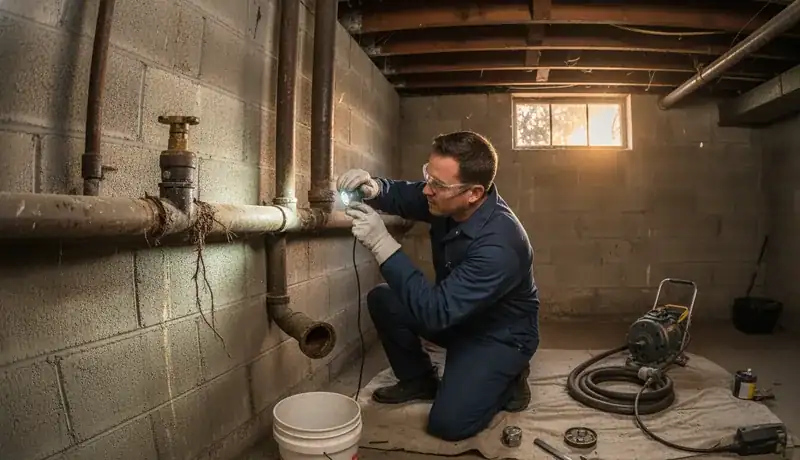
In many cases, a recurring backup isn’t caused by a simple hairball or food scraps. In older Denver areas, the problem often lies deeper in the main sewer line. One of the most common culprits is tree root intrusion. The large, mature trees in our neighborhoods have powerful roots that seek out water sources, and tiny cracks in an old sewer pipe are an open invitation. Over time, these roots grow into a dense mass inside the pipe, catching debris and causing blockages. Another major factor is the age of the pipes themselves. Many homes in the 80223 area still have original cast iron or clay sewer lines. These materials can corrode, crack, or collapse after decades of use, creating blockages that no amount of plunging can fix. Years of grease and scale buildup can also narrow the pipe's diameter, making clogs inevitable.
What You Can Do About Persistent Backups
While major sewer line issues require a professional, you can take steps to prevent minor clogs. Be mindful of what goes down your drains. Avoid pouring cooking grease, coffee grounds, and fibrous food waste down the kitchen sink. In the bathroom, use a hair catcher and never flush anything other than toilet paper—even so-called “flushable” wipes can cause serious blockages. It’s also wise to be cautious with chemical drain cleaners. These harsh products can offer a temporary fix but can also corrode older metal pipes, potentially making the problem worse over time. For persistent issues, these home remedies are like putting a bandage on a deep wound. They don’t address the underlying cause, which is why the clog always seems to return no matter what you do. Regular maintenance helps, but it can't reverse existing damage.
When a Plunger Isn't Enough: Signs You Need an Expert
How do you know when your drain problem is beyond a DIY fix? There are several clear warning signs. If you have multiple drains backing up at the same time, such as a toilet and a shower, the blockage is likely in your main sewer line. Gurgling sounds coming from your drains or toilet when you use water elsewhere in the house is another red flag. Similarly, if flushing a toilet causes water to back up into your tub, it’s time to call for help. Attempting to fix a main line clog yourself with a rented snake can easily damage old, fragile pipes, turning a repair job into a full replacement. These situations often require immediate attention, and that’s when you need reliable emergency plumbing services in Denver, CO 80223. An expert can diagnose the problem safely and accurately.
Your Local Partner for Denver Plumbing Solutions
At Expert Plumbing Pro, we understand the unique challenges that come with the plumbing systems in established Denver, CO 80223 neighborhoods. We don't just clear the clog; we find out why it’s happening. Using advanced tools like sewer camera inspections, our technicians can look inside your pipes to identify the exact cause, whether it's invasive tree roots, a cracked pipe, or severe buildup. This allows us to recommend a lasting solution instead of a temporary fix that will have you calling again in a few months. We believe in empowering our neighbors with clear information and effective repairs, ensuring your plumbing system works reliably for years to come. We’re here to provide peace of mind and protect your home from recurring plumbing headaches.
Frequently Asked Questions
Are older homes in Denver more prone to sewer line problems?
Yes, absolutely. Homes built before the 1980s in areas like 80223 often have sewer lines made of clay or cast iron. Over decades, these materials can degrade, crack, and become vulnerable to tree root intrusion. Modern PVC pipes are more resilient. That’s why we see a higher frequency of main line backups in Denver's more established neighborhoods. A professional inspection can assess the condition of your older pipes and help prevent a major plumbing emergency.
How can I tell if tree roots are in my sewer line?
The most common signs of tree roots in your sewer line are recurring clogs, slow drains throughout the house, and gurgling sounds from your toilets and sinks. You might also notice unusually green or lush patches of grass in your yard above the sewer line. However, the only way to be 100% certain is with a professional sewer camera inspection. This technology allows a plumber to see the blockage and determine the best course of action.
Don't Live with Backed-Up Drains
Recurring drain backups are more than an inconvenience; they are a clear sign of an underlying problem that needs professional attention. In older Denver homes, the cause is often tree roots or deteriorating pipes in the main sewer line. While mindful habits can help, they can't solve these larger issues. If you’re tired of the endless cycle of plunging and waiting for water to drain, it's time for a real solution. For homeowners in Denver, CO 80223, Expert Plumbing Pro is here to help diagnose and fix the problem for good. Contact us today.